Simple systems that save money and make daily life easier.
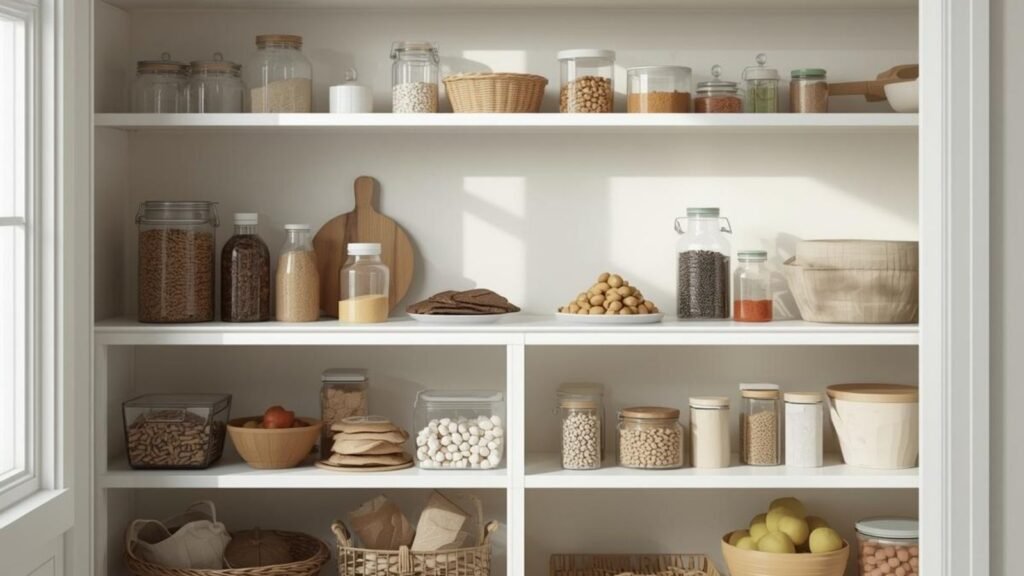
Food prep on a budget isn’t about cooking fancy meals or spending hours in the kitchen.
It’s about making a few intentional decisions ahead of time so food stops being a daily source of stress and overspending.
On Prepared on a Budget, food prep is not a trend or a hobby.
It’s a practical system that helps you:
- lower grocery costs
- avoid takeout and convenience spending
- reduce food waste
- make busy weeks easier to manage
This page shows you what food prep really looks like when money matters — and where to start.
What Food Prep Really Means (Here)
Food prep doesn’t mean:
- cooking every meal in advance
- eating perfectly all week
- buying special containers
- following complicated plans
Here, food prep simply means:
- deciding food before you’re hungry
- shopping with intention
- preparing basic meals or ingredients ahead of time
- reducing the number of food decisions you make each day
Food prep works because it removes pressure — not because it’s perfect.
Why Food Prep Is the Fastest Way to Spend Less
Most budget problems don’t start with big purchases.
They start with daily decisions made when you’re tired, busy, or overwhelmed.
Food prep helps because it:
- stabilizes grocery spending
- prevents last-minute takeout
- reduces food waste
- lowers decision fatigue
That’s why food prep is one of the most effective habits for simple living on a budget — it quietly supports both your finances and your routines.
Start Here: Food Prep Foundations
If you’re new to food prep, start with these guides first.
They build on each other and give you the biggest return for the least effort.
👉 Start with:
- Why Repeating the Same Meals Saves More Money Than Variety
- A Simple Weekly Routine That Prevents Overspending
Once you understand the basics, grocery shopping becomes the next important skill.
Grocery costs often rise without any change in meals. This post explains how to reduce grocery spending without changing what you eat by aligning shopping habits with simple food prep routines.
This guide on meal prep grocery shopping explains how to buy affordable, nutritious food without waste or overspending.
These posts explain:
- how to prep food without overwhelm
- why repetition saves money
- how routines make food prep stick
If you only read a few things on this site, start here.
One of the biggest questions with food prep is how much is actually necessary. This post explains how many meals you should prep for a busy week, and why doing less often works better than trying to plan everything.
How Food Prep Fits Into Real Life
Food prep doesn’t require ideal circumstances.
It works even when:
- weeks are busy
- motivation is low
- energy is limited
- plans change
You don’t need to prep everything.
You don’t need to follow a perfect schedule.
You just need enough preparation to remove daily stress.
Consistency matters more than effort.
Food Prep Is a Life System, Not Just a Kitchen Habit
When food is planned and prepared:
- routines are easier to maintain
- spending becomes more predictable
- daily life feels calmer
- simple living becomes possible
That’s why food prep sits at the center of this site.
It supports everything else — from budgeting to routines to home systems.
Motivation often fades, especially around food routines. This post explains why everyday systems matter more than motivation, and how simple food structures support consistency even when energy is low.
Shopping can be mentally tiring when every item needs a decision. This post explores The Comfort of One Default Grocery List and how familiarity with shopping makes food prep easier.
You may also be interested in why food-prep-isnt-about-discipline
It’s easy to feel like you’re doing food “wrong.” This post shares signs you’re managing food better than you think, even when your system feels messy or inconsistent.
How Food Prep Saves Money
A simple routine matters more than most people realise. This post explains why a simple weekly food routine saves more money than budgeting and why repetition is the foundation of sustainable food prep.
Repetition plays a bigger role in food costs than most people realise. This post explains why repeating the same breakfast and lunch lowers food costs and how fewer daily food decisions make meal prep easier to maintain.
Meal prep often stops working when it becomes too detailed or demanding. This post explains why meal prep fails when it’s too complicated and why simpler routines are easier to maintain and more budget-friendly over time.
Even the best food plans can fall apart when energy is low. This post explains why meal prep feels harder at the end of the day and how decision fatigue makes evenings the most fragile time for food routines.
Evening decisions can feel heavier than they should. This post explains why one decided dinner helps more than many ideas, and how settling one meal can make evenings calmer when energy is low.
When energy is low, convenience food can feel like the only realistic option. This post explains why convenience food feels necessary when you’re tired and how fatigue and decision overload quietly shape end-of-day food choices.
As the week goes on, food decisions often start to feel heavier, even when nothing else has changed. This post explains why food decisions are harder at the end of the week and how mental load quietly accumulates over time.
Some days you just want quick, easy meals, and that’s ok. This post what to eat when you are too tired to cook gives a few simple ideas.
Some evenings, the real question isn’t what to cook — it’s what to eat when cooking feels like too much. This reflection explores simple, low-effort meal ideas for low-energy days, without recipes or pressure.
If deciding what to eat each evening feels unusually tiring, the problem may not be cooking or planning — it may be the decision itself. This post explains why planning dinner every day is so draining and why end-of-day food decisions carry more mental weight than we expect.
During busy weeks, food choices often shift toward whatever feels easiest in the moment. This post explains why convenience food feels necessary when you’re busy and how limited mental capacity quietly shapes food decisions even when energy levels aren’t especially low.
Missed weeks are a normal part of real life. This post explains why skipping meal prep one week doesn’t ruin everything and how flexible food routines support long-term consistency and lower food costs over time.
When food prep becomes predictable, it can start to feel boring — even when it’s working well. This post explains why food prep should feel boring and how repetition and familiarity make routines easier to maintain and more budget-friendly over time.
Food decisions don’t just affect meals — they shape how the whole day feels. This post explains why fewer food decisions make daily life feel lighter and how reducing everyday choices can quietly lower mental load and stress.
When food routines start to feel dull, it’s tempting to add more variety. This post explains why “just one more meal idea” often backfires and how adding options can quietly increase decisions, cost, and mental load instead of making food prep easier.
Many people assume meal prep requires cooking talent, when it’s really about planning and repetition. This post explains why you don’t need to be “good at cooking” to meal prep and how simple, familiar meals make food routines easier to maintain on a budget.
Food prep doesn’t just affect meals — it shapes how the whole day feels. This post explains why fewer food decisions make daily life feel lighter and how simplifying food routines reduces mental load beyond the kitchen.
More Food Prep Ideas
If you’ve already started, you may also find these helpful:
- Frugal food planning strategies
- Pantry-first cooking ideas
- Budget-friendly meal routines
Where to Go Next
If food prep feels manageable:
- explore Simple Living on a Budget to see how it fits into the rest of life
If food prep still feels overwhelming:
- Return to the Start Here section above and build slowly
Food prep isn’t about doing more.
It’s about making everyday life cheaper and easier to run.