Variety is often treated as the goal of eating well.
Different meals every day.
New ideas each week.
Endless options to choose from.
But when it comes to food costs, variety is usually what drives spending up — not enjoyment.
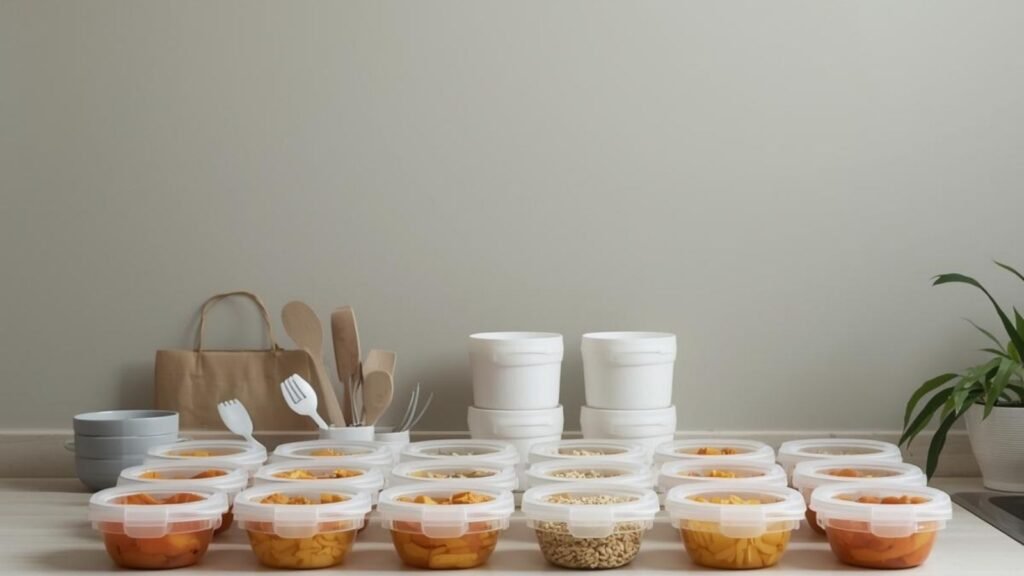
Repeating the same breakfast and lunch is one of the simplest ways to lower food costs without feeling restricted.
Why Breakfast and Lunch Matter Most
Breakfast and lunch are usually:
- eaten on busy days
- decided quickly
- prepared with limited energy
- easy to overcomplicate
Because they happen so often, even small decisions add up.
When these meals aren’t planned, they’re more likely to lead to:
- extra grocery purchases
- convenience food
- food waste from half-used ingredients
Repeating them removes that pressure.
Repetition Reduces Grocery Complexity
When breakfast and lunch stay the same:
- shopping lists get shorter
- fewer ingredients are needed
- less food is wasted
- grocery trips become faster
Instead of buying “just in case” items, you buy what you know you’ll use.
That predictability is where the savings come from.
Fewer Choices Means Fewer Costly Gaps
Many food costs don’t come from planned meals — they come from gaps.
When you’re unsure what to eat:
- snacks fill the gap
- takeout fills the gap
- impulse purchases fill the gap
Repeating meals closes those gaps quietly.
You don’t need willpower when the decision has already been made.
Why This Doesn’t Feel as Boring as It Sounds
Repetition doesn’t mean eating something you dislike.
It means choosing meals that:
- are easy to prepare
- don’t require daily thought
- feel neutral or comforting
- work with your schedule
Many people already repeat breakfasts or lunches without noticing.
Making it intentional simply turns a habit into a system.
Dinner Is Where Flexibility Usually Belongs
Repeating breakfast and lunch creates space elsewhere.
When those meals are handled:
- dinners can vary more
- weekends feel more flexible
- food prep feels lighter overall
This balance is why repetition works — it simplifies without locking everything down.
How This Fits Into Food Prep on a Budget
Food prep on a budget works best when:
- decisions are limited
- routines are repeatable
- planning energy is protected
Repeating the same breakfast and lunch supports a simple weekly routine reduces grocery spending, and makes food prep easier to maintain long term.
It’s one of the lowest-effort changes with the biggest payoff.
You Don’t Have to Commit Forever
This isn’t a permanent rule.
You can:
- repeat meals for a month
- change them seasonally
- rotate a small set of options
The benefit comes from reducing daily decisions, not from sticking to the same meals forever.
Where to Go Next
If food feels expensive or mentally tiring, simplifying the meals that repeat most often is a good place to start.
Small changes, repeated often, tend to matter more than big plans.